Social Security Update: 2.8% Benefit Boost Confirmed
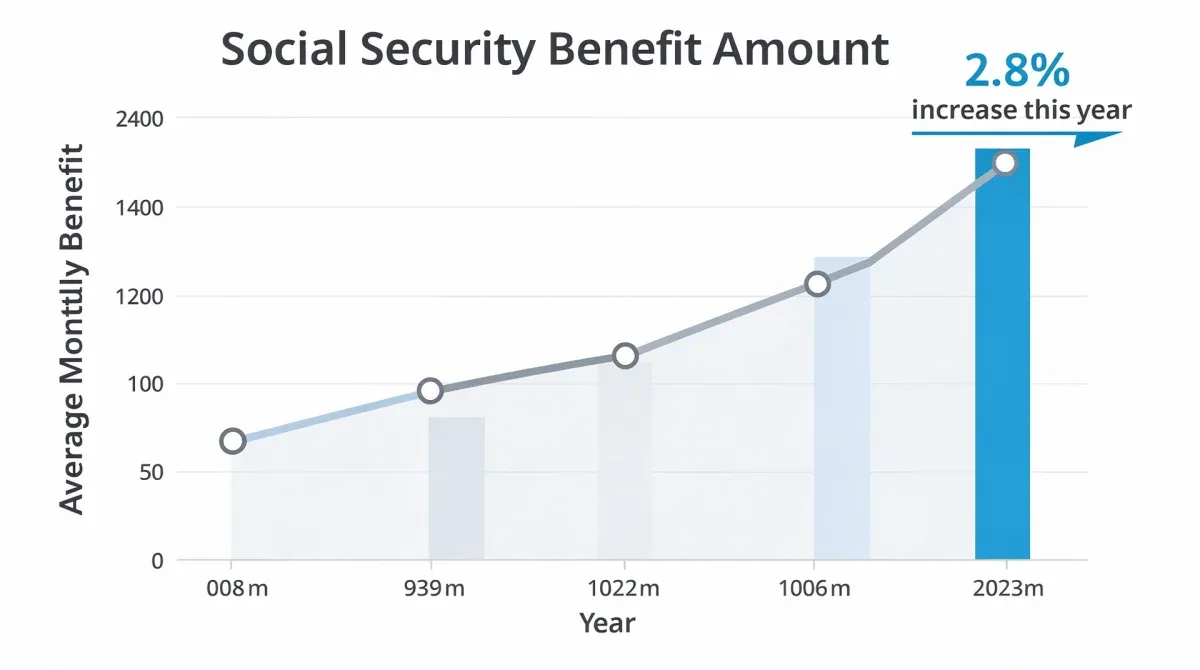
The Social Security Administration has officially confirmed a 2.8% benefit boost for 68 million Americans, an adjustment aimed at helping beneficiaries cope with rising living costs.
The highly anticipated Social Security benefits boost has been officially confirmed by the Administration, bringing a 2.8% increase for approximately 68 million Americans. This adjustment is a crucial development for millions of retirees, disabled individuals, and survivors who rely on these payments.
Understanding the 2.8% Benefit Increase
The Social Security Administration's confirmation of a 2.8% benefit increase marks a significant moment for millions of beneficiaries across the United States. This adjustment, often referred to as a Cost-of-Living Adjustment (COLA), is designed to help maintain the purchasing power of Social Security benefits in the face of inflation. The COLA mechanism ensures that the value of benefits does not erode over time, providing essential financial stability to those dependent on these payments.
The methodology behind the COLA calculation is rooted in economic data, primarily the Consumer Price Index for Urban Wage Earners and Clerical Workers (CPI-W). This index measures changes in the prices of goods and services, reflecting the real-world expenses faced by many Americans. When the CPI-W increases, it signals rising living costs, prompting a corresponding adjustment in Social Security benefits. This year's 2.8% increase directly reflects those economic pressures, aiming to alleviate some of the financial burden on beneficiaries.
How COLA is Calculated
- CPI-W Data: The Social Security Administration (SSA) uses the average CPI-W from the third quarter (July, August, September) to determine the COLA.
- Comparison Period: This average is compared to the CPI-W from the third quarter of the previous year when the last COLA was determined.
- Percentage Increase: The percentage increase between these two periods becomes the COLA for the upcoming year. If there's no increase, there's no COLA.
For the 68 million Americans affected, this boost translates into a tangible increase in their monthly checks, potentially impacting their budgets for necessities like groceries, utilities, and healthcare. While the percentage might seem modest to some, for many, it can make a substantial difference in their ability to cover essential expenses and maintain their quality of life. It underscores the government's commitment to supporting its most vulnerable populations.
Impact on 68 Million Americans: Who Benefits?
The 2.8% benefit boost will directly affect a vast demographic of Americans, encompassing a wide array of individuals and families. Primarily, this includes retirees who have worked and contributed to the Social Security system throughout their careers. For these individuals, Social Security often represents a significant, if not primary, source of income during their non-working years, making any increase critically important for their financial well-being.
Beyond retirees, the COLA also extends to other crucial beneficiary groups. Disabled individuals who receive Social Security Disability Insurance (SSDI) will see their benefits adjusted, providing much-needed support for those unable to work due to health conditions. Similarly, survivors of deceased workers, including spouses and dependent children, will also experience this increase, helping to ensure their financial stability during difficult times. This broad reach highlights the fundamental role Social Security plays in the nation's social safety net.
Diverse Beneficiary Groups
- Retirees: The largest group, receiving monthly payments based on their earnings history.
- Disabled Individuals: Those receiving SSDI due to a qualifying disability.
- Survivors: Spouses, children, and sometimes parents of deceased workers who met eligibility requirements.
The financial ripple effect of this increase can be far-reaching. For many, even a small percentage boost can mean the difference between struggling to pay bills and having a bit more breathing room in their budget. It allows for better planning, reduces financial stress, and can contribute to a greater sense of security. Understanding who benefits from this COLA helps illustrate the extensive impact of Social Security on American households.
Historical Context of Social Security Adjustments
To fully appreciate the significance of the current 2.8% Social Security benefits boost, it's helpful to examine its historical context. Social Security benefits have been subject to annual adjustments since 1975, when the COLA mechanism was first implemented. Prior to that, increases were enacted sporadically by Congress, often leading to delays and inconsistent support for beneficiaries. The move to an automatic COLA was a pivotal step towards ensuring more predictable and timely adjustments.
Over the decades, COLA percentages have varied widely, reflecting different economic climates. There have been years with substantial increases, particularly during periods of high inflation, and years with minimal or no increases when inflation was low. For instance, the early 1980s saw double-digit COLA increases, while some years in the early 2010s experienced no COLA due to stagnant inflation. This variability underscores the direct link between economic conditions and the financial support provided by Social Security.
Analyzing past trends reveals patterns in how economic indicators translate into benefit adjustments. Periods of robust economic growth and higher consumer spending often lead to higher inflation, which in turn triggers larger COLAs. Conversely, economic downturns or periods of deflation can result in smaller or non-existent adjustments. This historical perspective helps beneficiaries and policymakers understand the dynamics of the system and prepare for future changes.

Addressing Inflation: Why the 2.8% Matters
The primary purpose of the Cost-of-Living Adjustment is to protect Social Security beneficiaries from the erosion of purchasing power caused by inflation. When the cost of goods and services rises, a fixed income buys less, effectively reducing a person's standard of living. The 2.8% benefit boost is therefore a direct response to observed inflationary pressures, aiming to ensure that beneficiaries can continue to afford essential items and services.
While a 2.8% increase might not fully offset every individual's personal inflation experience, it provides a vital baseline adjustment. For many, particularly those on fixed incomes, even modest increases are crucial. Without COLAs, the real value of Social Security benefits would steadily decline over time, pushing more individuals into financial hardship. This makes the annual adjustment a cornerstone of the program's ability to provide meaningful support.
Key Areas Affected by Inflation
- Groceries: Food prices are a significant concern for many households, and rising costs directly impact daily budgets.
- Healthcare: Medical expenses, including prescription drugs and insurance premiums, often increase steadily, placing a burden on seniors.
- Housing: Rent and property taxes can climb, affecting beneficiaries who own or rent their homes.
- Utilities: Energy costs for heating and cooling are subject to market fluctuations and can significantly impact monthly expenses.
The impact of inflation is not uniform across all demographics, but its pervasive nature means that nearly all beneficiaries feel its effects to some degree. The 2.8% COLA is a recognition of these realities, providing a necessary financial cushion. It underscores the importance of the Social Security program as a dynamic system designed to adapt to changing economic conditions, thereby safeguarding the financial security of millions of Americans.
Navigating Your Increased Benefits: What to Expect
With the confirmation of the 2.8% Social Security benefits boost, many beneficiaries will naturally wonder about the practical implications and what steps they might need to take. The good news is that for most, the process is automatic. The Social Security Administration will adjust benefit amounts, and beneficiaries will see the increase reflected in their checks. However, understanding the timeline and potential implications is still beneficial.
Typically, the new COLA-adjusted payments begin in January of the upcoming year. Beneficiaries usually receive official notification from the SSA detailing their new benefit amount. This notice is important for record-keeping and for understanding the exact change in their monthly income. It's always advisable to review these notices carefully and contact the SSA directly if there are any discrepancies or questions.
Key Considerations for Beneficiaries
- Official Notices: Expect a letter from the SSA detailing your new benefit amount.
- Direct Deposit: If you receive benefits via direct deposit, the increased amount will automatically appear in your bank account.
- Medicare Premiums: Be aware that Medicare Part B premiums are often deducted directly from Social Security benefits. Any increase in these premiums could partially offset your COLA.
- Tax Implications: For some beneficiaries, increased income could potentially affect their taxable Social Security benefits, depending on their total income.
While the increase is generally straightforward, it's prudent for beneficiaries to consider how this adjustment might interact with other aspects of their financial planning. For example, those with Medicare Part B premiums deducted from their Social Security checks should be aware that these premiums also typically adjust annually and could potentially offset some of the COLA. A proactive approach to understanding these changes can help beneficiaries maximize the positive impact of their increased benefits.
Future Outlook for Social Security: Beyond the Boost
While the immediate focus is on the 2.8% Social Security benefits boost, it's important to consider the broader, long-term outlook for the Social Security program. The system faces ongoing demographic and economic challenges, including an aging population and fluctuating birth rates, which place pressure on its solvency. Discussions about the future of Social Security often revolve around potential reforms to ensure its sustainability for generations to come.
Policymakers continuously debate various proposals aimed at strengthening the program, such as adjusting the full retirement age, modifying the COLA calculation method, or altering the cap on earnings subject to Social Security taxes. These are complex issues with significant implications for current and future beneficiaries. Understanding these ongoing conversations provides a more complete picture of the program's trajectory.
Potential Future Reforms and Considerations
- Adjusting Retirement Age: Gradually increasing the age at which full benefits can be claimed.
- Taxable Earnings Cap: Raising or eliminating the cap on income subject to Social Security taxes.
- COLA Formula Changes: Exploring alternative inflation measures for calculating the annual adjustment.
- Benefit Formula Modifications: Reevaluating how initial benefit amounts are determined.
The 2.8% COLA is a testament to the program's adaptive nature in the short term, but the long-term health of Social Security remains a critical area of focus. Beneficiaries and taxpayers alike have a vested interest in these discussions, as the program's stability is vital for the financial security of millions. Staying informed about legislative proposals and economic forecasts is key to understanding the evolving landscape of Social Security.
| Key Point | Brief Description |
|---|---|
| 2.8% Benefit Boost | Official increase confirmed for 68 million Social Security beneficiaries. |
| COLA Mechanism | Cost-of-Living Adjustment based on CPI-W to combat inflation. |
| Affected Groups | Retirees, disabled individuals, and survivors will all see increased payments. |
| Future Outlook | Ongoing discussions for long-term program solvency and potential reforms. |
Frequently Asked Questions About Social Security Benefits
When will the 2.8% Social Security benefit increase take effect?▼The 2.8% increase in Social Security benefits will officially take effect with the payments issued in January of the upcoming year. Beneficiaries can expect to see the adjusted amounts reflected in their monthly checks starting then, with most receiving direct deposit notifications.
Who is eligible to receive this 2.8% benefit boost?▼Approximately 68 million Americans are eligible for this boost. This includes all Social Security beneficiaries: retirees, individuals receiving Social Security Disability Insurance (SSDI), and survivors receiving benefits based on a deceased worker's record. Eligibility is automatic for those already receiving payments.
How is the Cost-of-Living Adjustment (COLA) determined?▼The COLA is determined by the Social Security Administration based on the Consumer Price Index for Urban Wage Earners and Clerical Workers (CPI-W). The average CPI-W from the third quarter (July, August, September) is compared to the same period of the previous year. The percentage increase becomes the COLA.
Will this increase be enough to cover rising inflation?▼The 2.8% benefit boost is designed to help beneficiaries maintain their purchasing power against inflation. While it provides a crucial adjustment, individual experiences with inflation can vary. The COLA aims to broadly offset increases in the cost of essential goods and services, providing significant financial relief.
What other financial impacts should beneficiaries consider?▼Beneficiaries should consider potential adjustments to Medicare Part B premiums, which are often deducted from Social Security checks. Additionally, an increased benefit amount could, in some cases, affect the taxability of Social Security benefits, depending on a beneficiary's total annual income from all sources.
Conclusion
The confirmation of a 2.8% Social Security benefits boost represents a vital adjustment for 68 million Americans, reinforcing the program's commitment to supporting its beneficiaries. This Cost-of-Living Adjustment is a direct response to economic realities, aiming to safeguard the purchasing power of retirees, disabled individuals, and survivors against inflation. While providing immediate relief, it also highlights the ongoing dialogue surrounding the long-term sustainability and future reforms of this essential social safety net. Understanding these changes and their implications is crucial for all those who rely on or contribute to Social Security.
